
The beauty of Villa Borghese
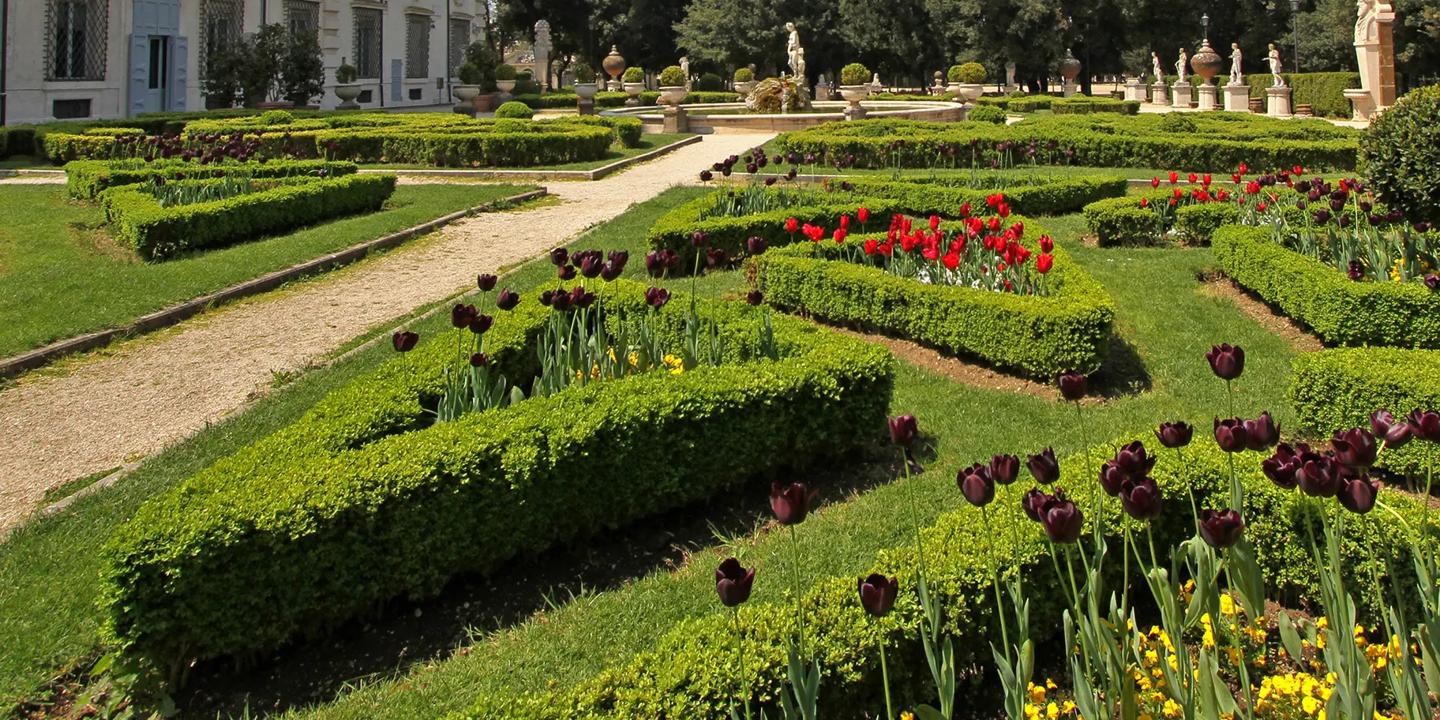
Villa Borghese, Rome’s largest park, is the perfect place to escape the busy city. Between the footpaths and flowerbeds you’ll find sculptures, fountains and temples. Most people visit the park for its 3 museums: the Galleria Borghese, the Museo Nazionale Etrusco and the Galleria Nazionale d’Arte Moderna. No wonder it is also known as museum park!
Galleria Borghese
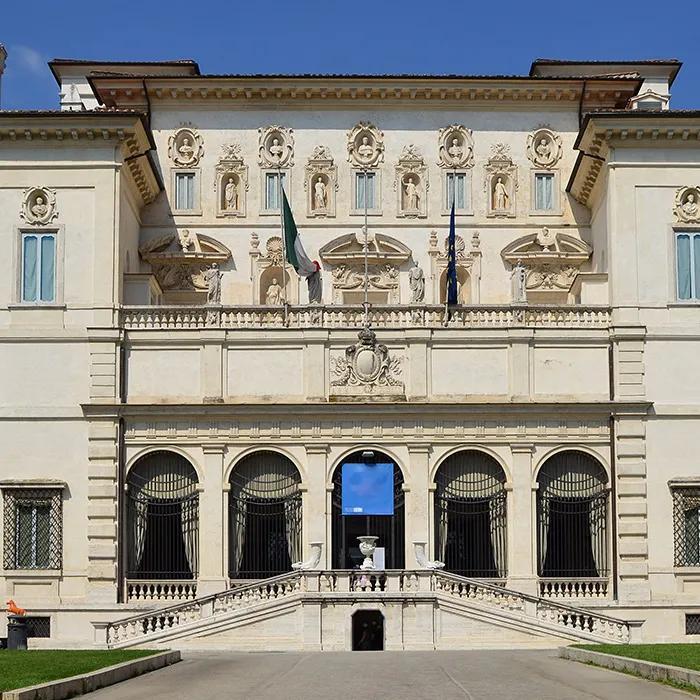
This is undoubtedly one of the most impressive museums in Rome. The stately 17th- century villa is home to Cardinal Scipione Borghese’s extensive collection of art, and includes works by masters such as Caravaggio, Bernini and Botticelli. It is the perfect introduction to Renaissance art and the beginnings of the Baroque period. The Cardinal mainly preferred classic and contemporary art as well as antique sculptures. Although the villa has 20 rooms it is a manageable size. The ground floor mainly features sculptures as well as frescos and Roman mosaic floors, including the famous ‘David’ by Bernini. The second floor comprises Galleria Borghese, with Renaissance art from European masters. This includes the renowned La Deposizione di Cristo by the painter Sanzio Raphael. Due to its massive popularity, only a maximum number of people are allowed in each day so booking in advance is recommended.
Etruscan vases and modern art
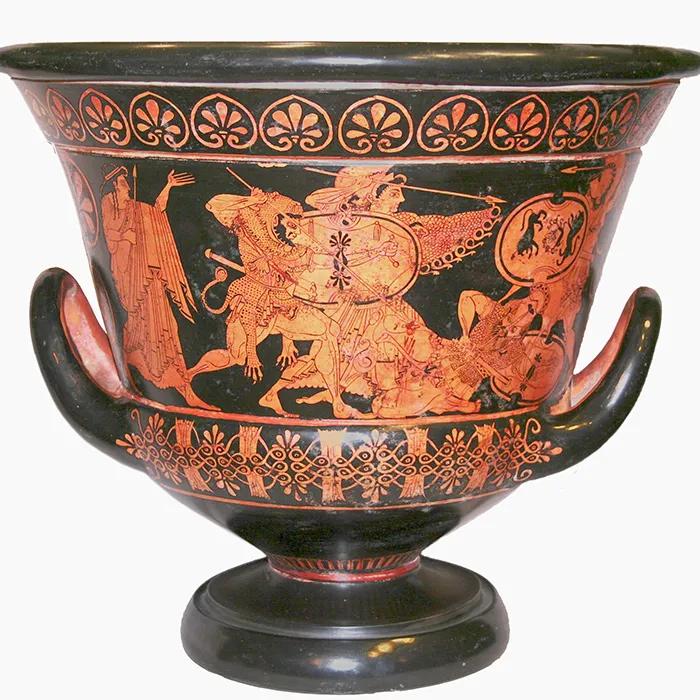
The other two museums in the park are also well worth a visit. Contemporary art enthusiasts will love the Galleria Nazionale d’Arte Moderna. It mainly features art from the 19th and 20th centuries, with an emphasis on Italian artists as well as famous names such as Kandinsky, Mondrian and Pollock. The fabulous Museo Nazionale Etrusco exhibits art from the pre-Roman era, such as a variety of Etruscan vases. It is situated in Villa Giulia, which dates back to 1553 and was once used as the summer home of Pope Julius II.
Secret gardens
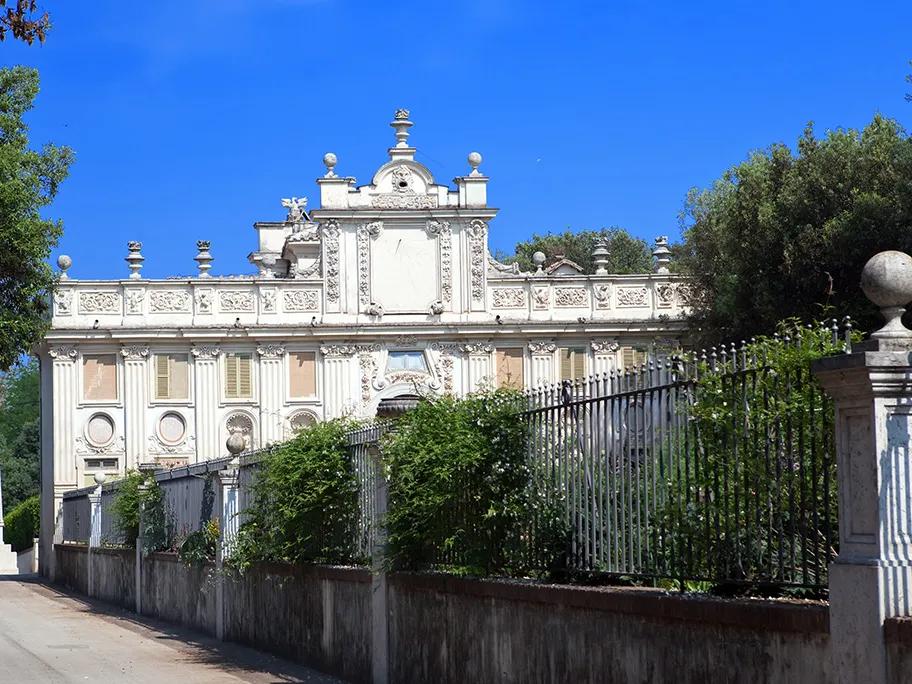
A typical feature in many Italian parks and gardens from the Renaissance and Baroque eras are the giardini segreti, or secret gardens. These hidden spots, often near the home of the owner, radiate romance and serenity. The gardens were secret because they were only accessible to the owner and not the general public. Villa Borghese has two of these hidden gardens: the Giardino dei Melangoli and the Giardino dei Fiori. The gardens are adjacent to the villa but are not always open to visitors. You can, however, catch a glimpse of these retreats through the fences.
Related articles
Arts & Culture
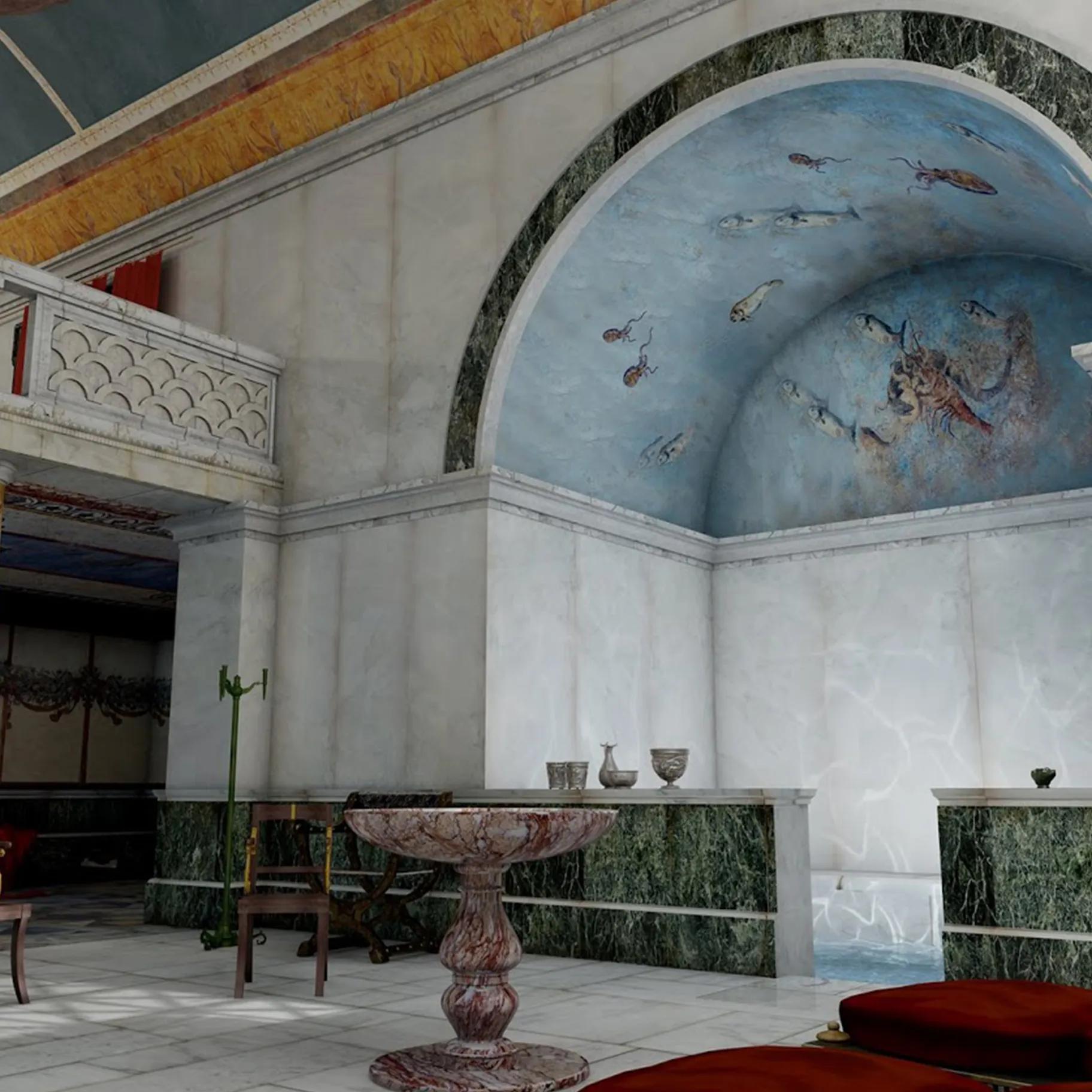
If you have always wanted to know what an actual Roman villa was like 2000 years ago, then head for Le Domus Romane di Palazzo Valentini. This new yet antique attraction was only discovered in 2007 and provides a unique insight into the life of the ancient Romans. Instead of musty ruins, the site offers amazing multimedia projections that bring the villas back to their former glory.
Arts & Culture
When you think of romantic Rome, mysterious corridors and old crypts may not be the first thing that come to mind. Just outside the city are the Catacombs of Rome, a network of underground cemeteries dug in the second century AD. The most impressive are the Catacombs of St Callixtus, where 16 popes and some 30 martyrs are buried.

Discover other destinations in Europe
*Esitetyt hinnat koskevat yhtä aikuista. Kaikki summat ovat valuutassa EUR. Summa sisältää verot ja lisämaksut. Varausmaksua ei veloiteta, mutta maksusta voidaan periä lisämaksu. Näytettävät tariffit voivat vaihdella lippujen saatavuuden mukaan. Näet tarkan lopullisen hinnan, kun valitset maksutavan.
The weather forecast information is provided by World Weather Online. Air France-KLM is not responsible for the reliability of this data.