International influences in Milan
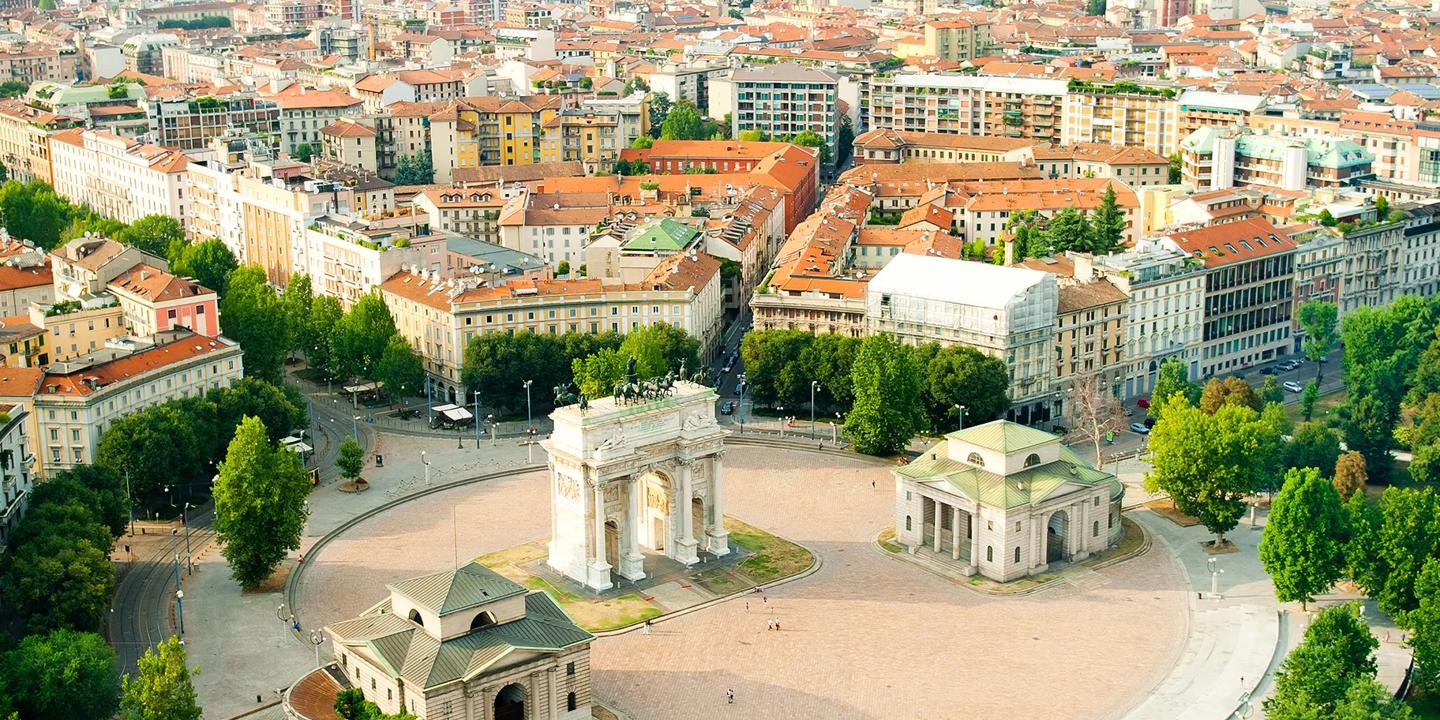
“Franza o Spagna purche se magna” is a cynical saying that translates as “France or Spain, it doesn’t matter, just as long as we get to eat”. From the 16th to the 19th century, Milan has alternately been in the hands of the Spaniards, Austrians and French. Many buildings and squares still recall that domination.
A centre of the Enlightenment
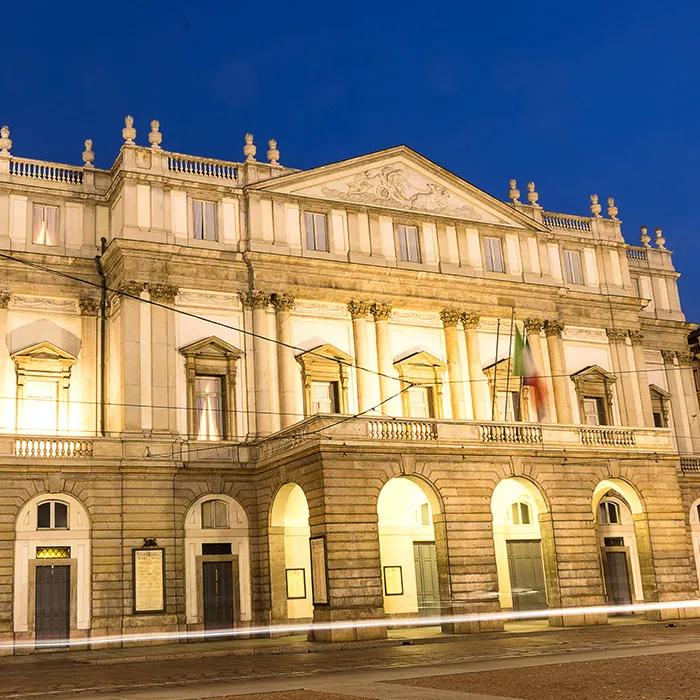
Spanish rule ended in 1706 when Milan was occupied by Austrian troops. The 18th century was a period of economic and cultural revival. The city benefited from the wise administration of Empress Maria Theresa (1740-1780) and was one of the centres of the Enlightenment. An important architect from this period was Giuseppe Piermarini who designed the Teatro alla Scala opera house. The theatre was bombed in 1943 and rebuilt 3 years later. After another recent restoration, it is again the gem that it once was. With an area of 1,200 square metres, the podium is one of the largest stages in Italy. The wooden interior is lined with red velvet and decorated with gilded stucco. Founded in 1913, the theatre museum Museo Teatrale features a great collection of sculptures, original scores and ceramics. Visitors with an interest in the history of Italian opera will particularly enjoy visiting this place.
Napoleon's victories
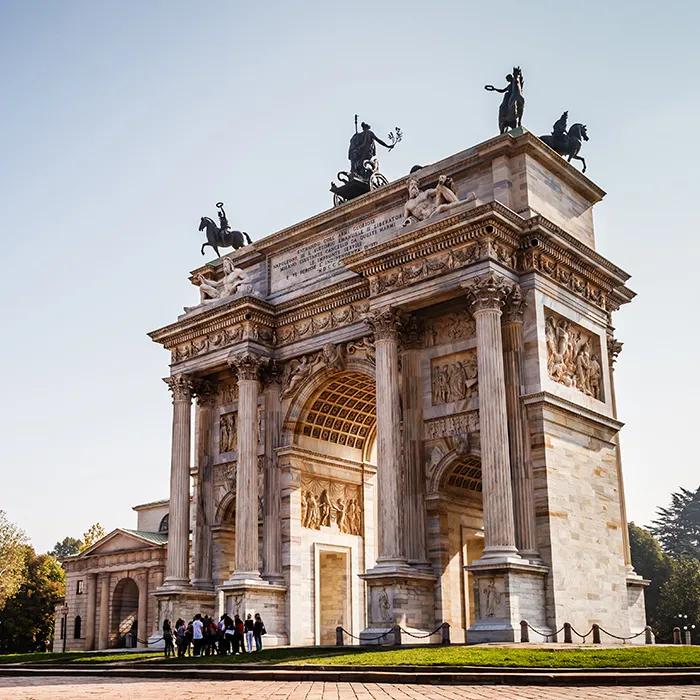
The thriving cultural life of Milan continued undisturbed when the Austrians were forced to flee Napoleon’s armies in 1796. Milan became the capital of the Cisalpine Republic in 1797 and Napoleon had himself crowned King of Italy in the cathedral in 1805. Built on the edge of the Parco Sempione under the reign of Napoleon, the Arco della Pace was initially known as the Arch of the Victories. Later, when Milan was again in Austrian hands, Emperor Francis I had it renamed the Arc of Peace (after the treaty of 1815).
Related articles
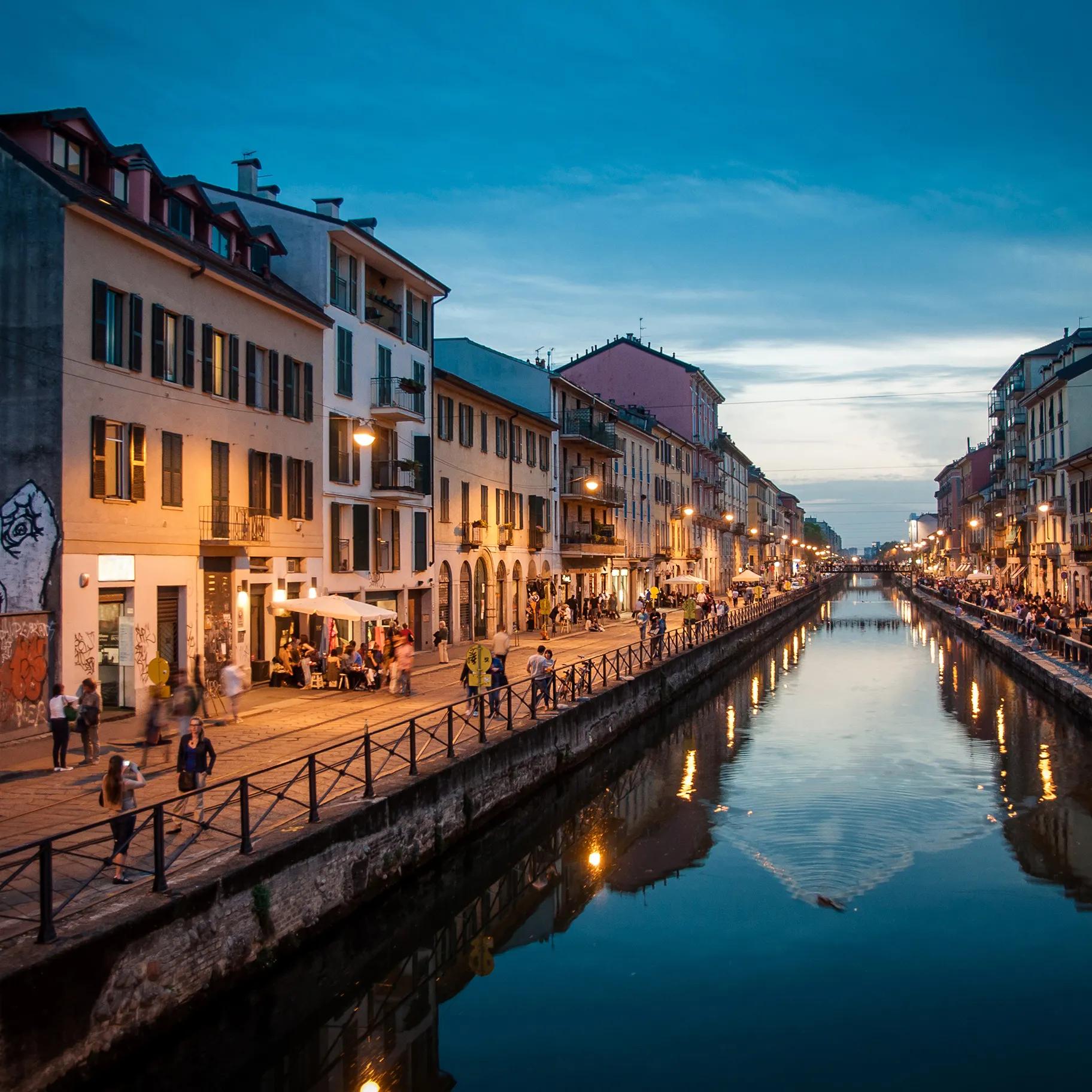
Culinary
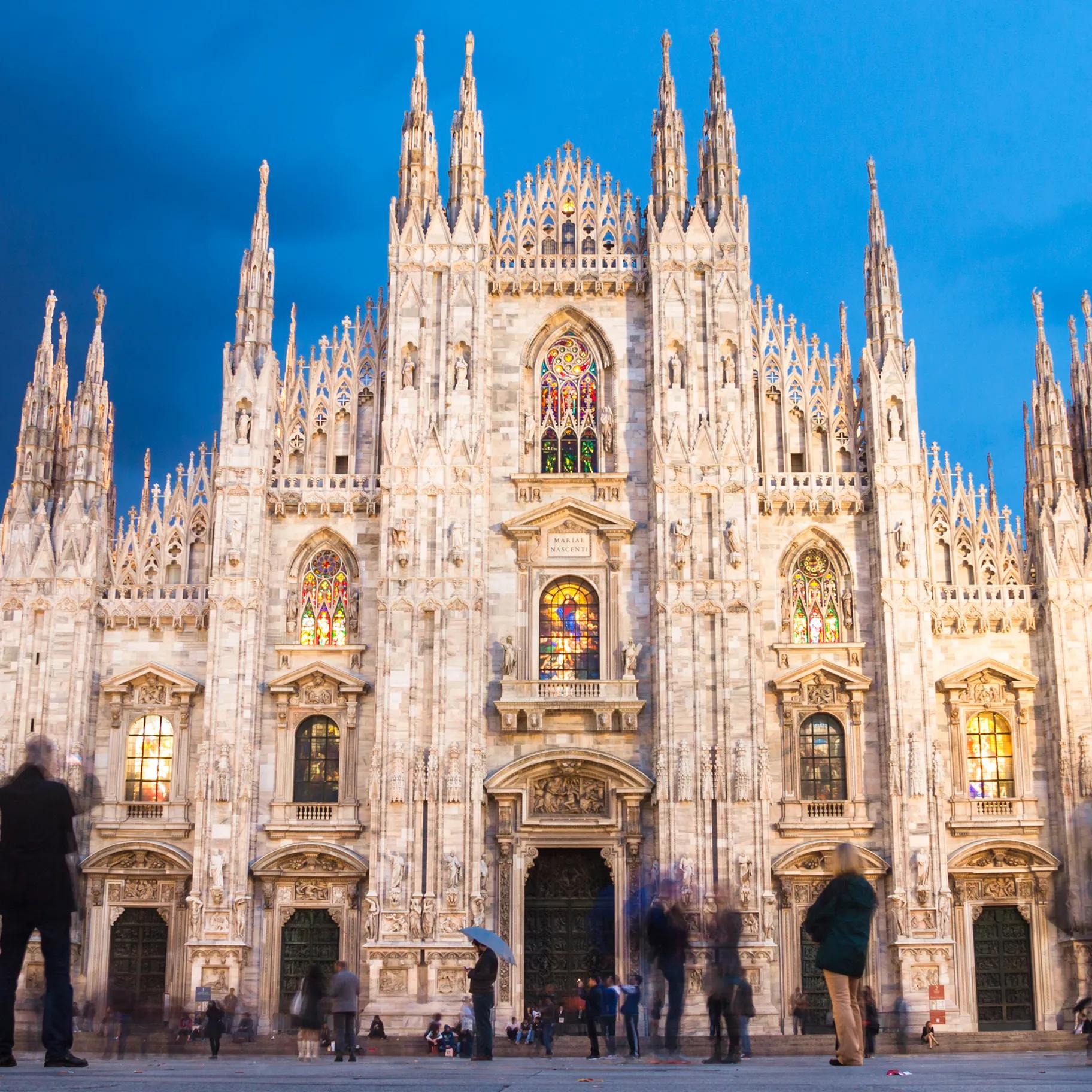
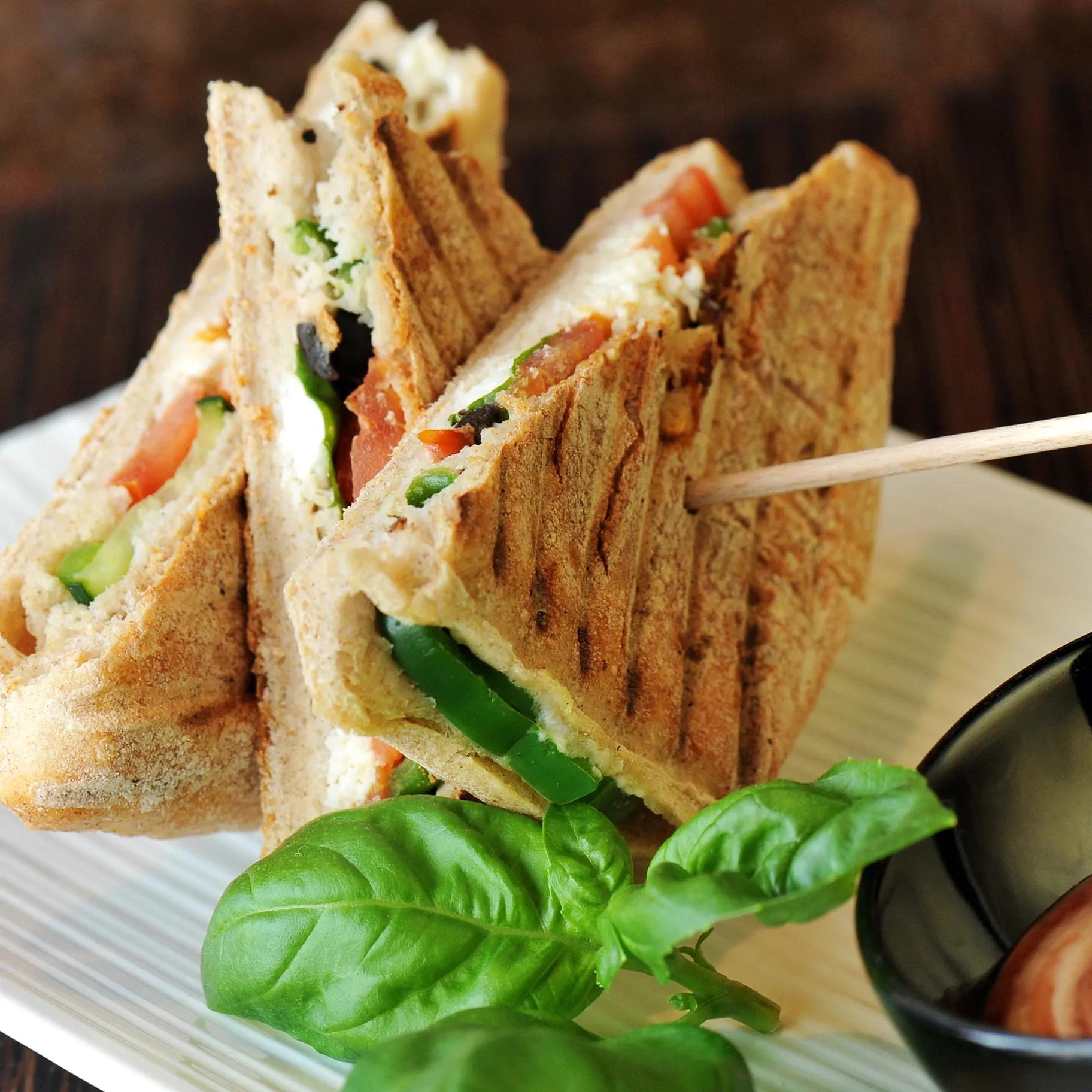
A trip to Milan consists of more than just shopping, enjoying the culture and admiring the Duomo – sampling a plate of risotto is a must! The Milanese love their risotto. While in the vast majority of Italy pasta rules supreme, Northern Italy is best known for its rice dishes such as risotto. There are several restaurants that specialise entirely in this dish.
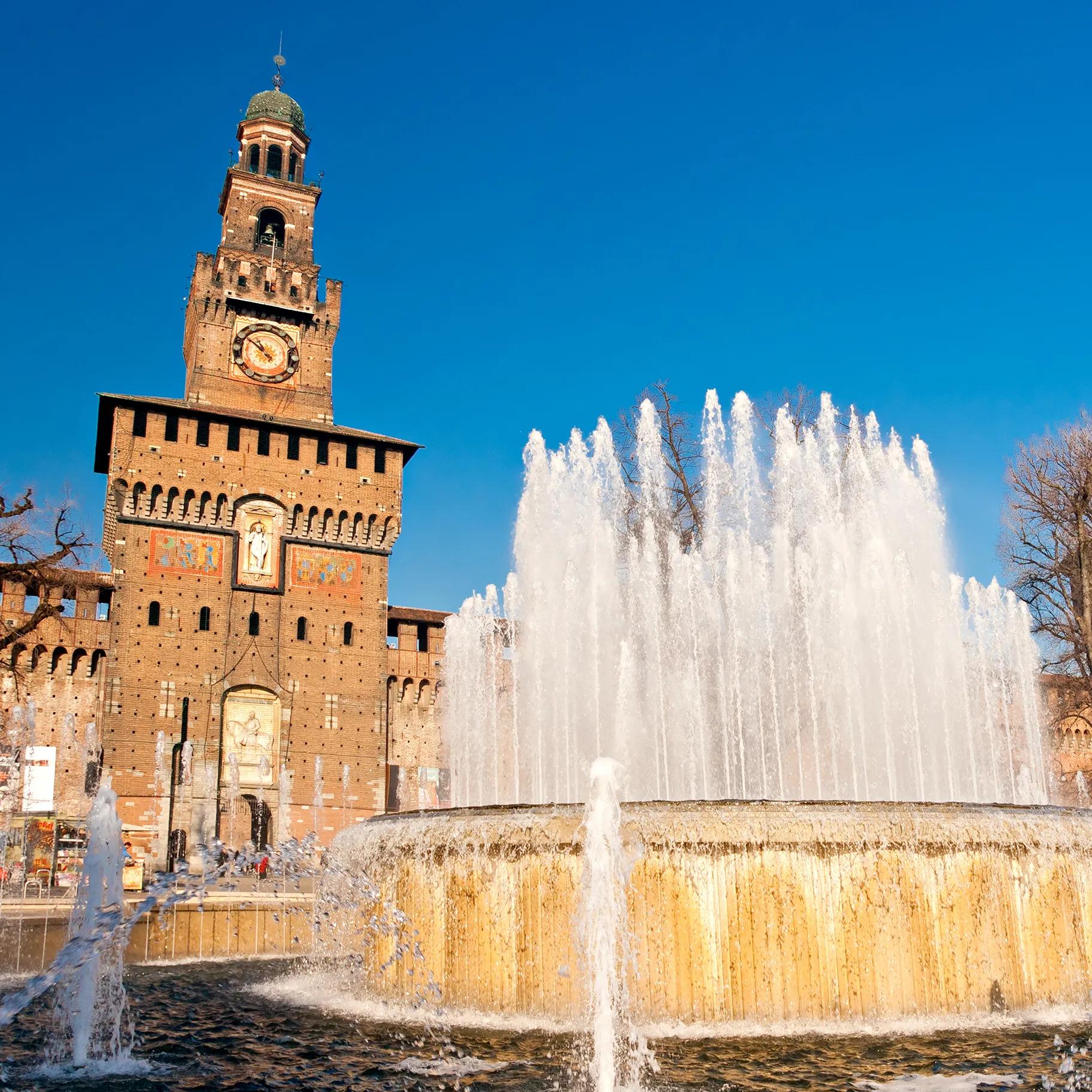
Arts & Culture
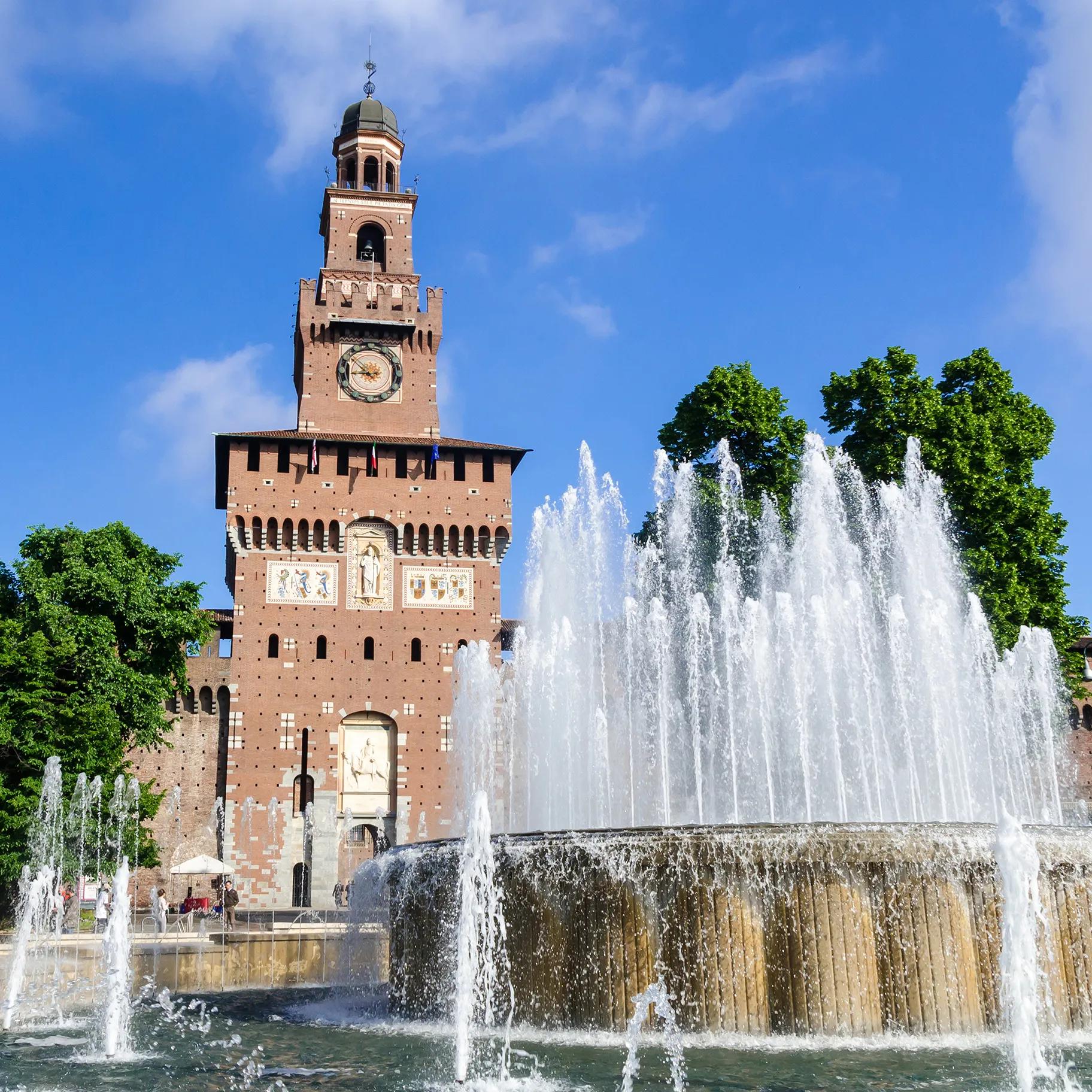
Once a symbol of power, Castello Sforzesco has now become an important cultural attraction. The enormous fort in the centre of Milan was originally built as an impenetrable stronghold. It was from here that the Visconti family and later on the Sforza family ruled the city. Since 1896, the castle has housed one of the largest art collections in Milan; take some time to admire the displays of sculptures, European porcelain and Baroque furniture.
Discover other destinations in Europe
*The displayed prices are for one adult. All amounts are in EUR. Taxes and surcharges are included. No booking fee is applicable, but a payment surcharge may apply. Prices shown may vary depending on fare availability.
The weather forecast information is provided by World Weather Online. Air France-KLM is not responsible for the reliability of this data.